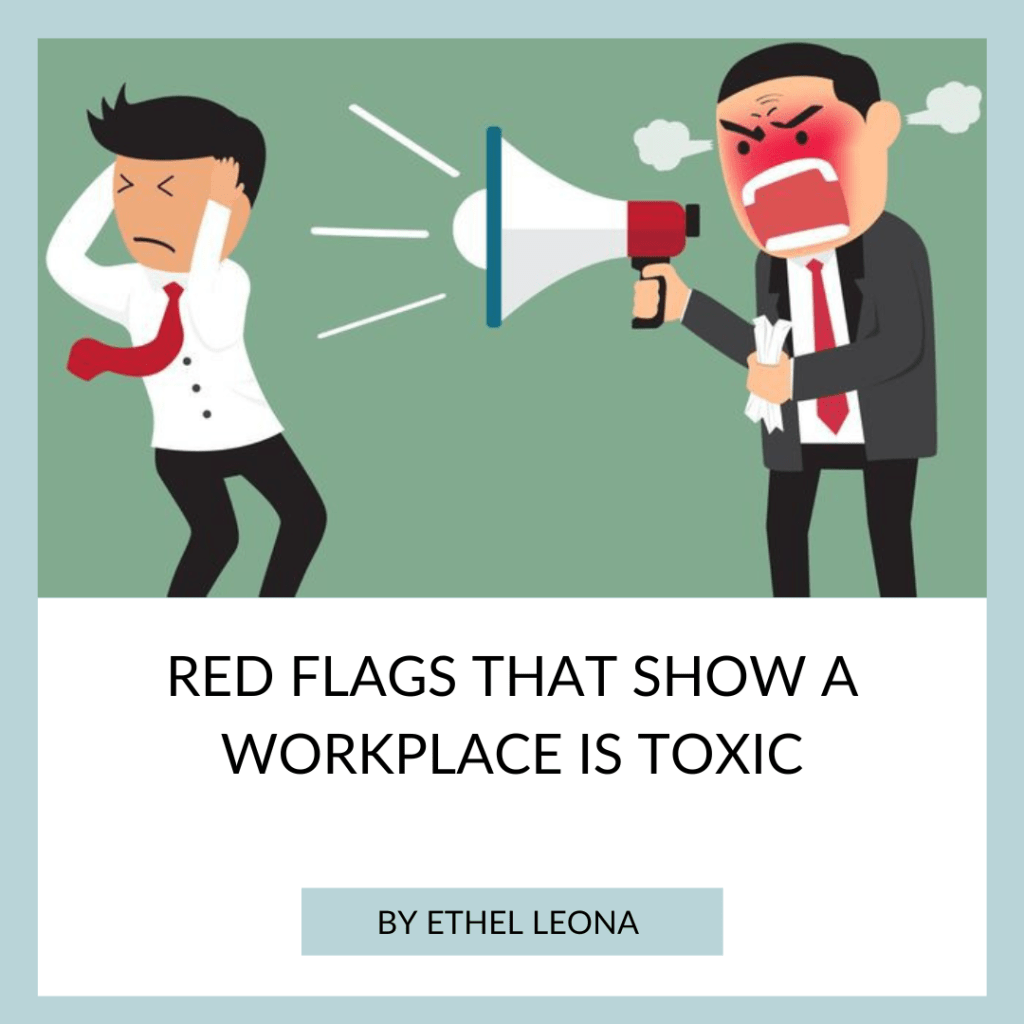
A toxic workplace is more than just a challenging or demanding job. It’s an environment that can take a toll on your mental and physical health, as well as your overall well-being. Recognizing the red flags of a toxic workplace is crucial for your career and personal life. In this blog post, we’ll explore some of the most common signs that your workplace may be toxic.
1. Unclear expectations, vague instructions, or frequent miscommunication can lead to frustration and conflict.
2. Unmanageable workloads, long hours, and unrealistic expectations can lead to burnout.
3. Verbal, physical, or emotional abuse from colleagues or superiors.
4. A lack of necessary tools, equipment, or support to perform job duties effectively.
5. Frequent layoffs, delayed paychecks, or financial instability within the company.
6. High Turnover Rates:
One of the clearest indicators of a toxic workplace is a high turnover rate. When employees are constantly leaving or job-hopping, it’s a strong sign that something is amiss. High turnover can be caused by poor management, lack of support, or a hostile work environment.
7. Poor Communication:
Effective communication is the backbone of a healthy workplace. If communication is consistently unclear, disrespectful, or lacking, it can lead to misunderstandings, conflicts, and frustration among team members. In a toxic workplace, open and honest communication is often discouraged or suppressed.
8. Excessive Micromanagement:
Micromanagement can be stifling and demoralizing. If your manager constantly hovers over your shoulder, scrutinizes your every move, and lacks trust in your abilities, it can create a stressful and toxic atmosphere. It indicates a lack of confidence in employees and can hinder professional growth.
9. Lack of Work-Life Balance:
A toxic workplace typically expects employees to be available around the clock. This leads to burnout, stress, and a deteriorating work-life balance. When your job dominates your personal life, it can have serious consequences on your mental and physical health.
10. Unrealistic Expectations:
When you’re consistently pressured to meet unrealistic goals or deadlines, it can lead to chronic stress and anxiety. Toxic workplaces often set unattainable expectations, which can harm both your professional performance and your well-being.
11. Lack of Recognition and Appreciation:
Feeling unappreciated and undervalued at work is a major red flag. A toxic workplace may not acknowledge your hard work or provide adequate recognition. A lack of appreciation can lead to decreased motivation and job satisfaction.
12. Fear of Retaliation:
In a toxic workplace, employees may fear retaliation if they speak up about issues or concerns. This fear can lead to a culture of silence, where problems persist without resolution.
13. Inadequate Training and Development:
A lack of opportunities for training and professional growth can signify a toxic work environment. A healthy workplace invests in its employees’ development and provides resources to help them succeed.
14. Unethical Practices:
Unethical behavior, such as lying to customers or engaging in fraudulent activities, is a severe sign of a toxic workplace. Engaging in unethical practices can damage your reputation and expose you to legal risks.
15. Bullying and Harassment: Bullying and harassment should never be tolerated in the workplace. If you witness or experience bullying behavior, it’s a clear sign that the work environment is toxic. A healthy workplace promotes respect, diversity, and inclusivity.
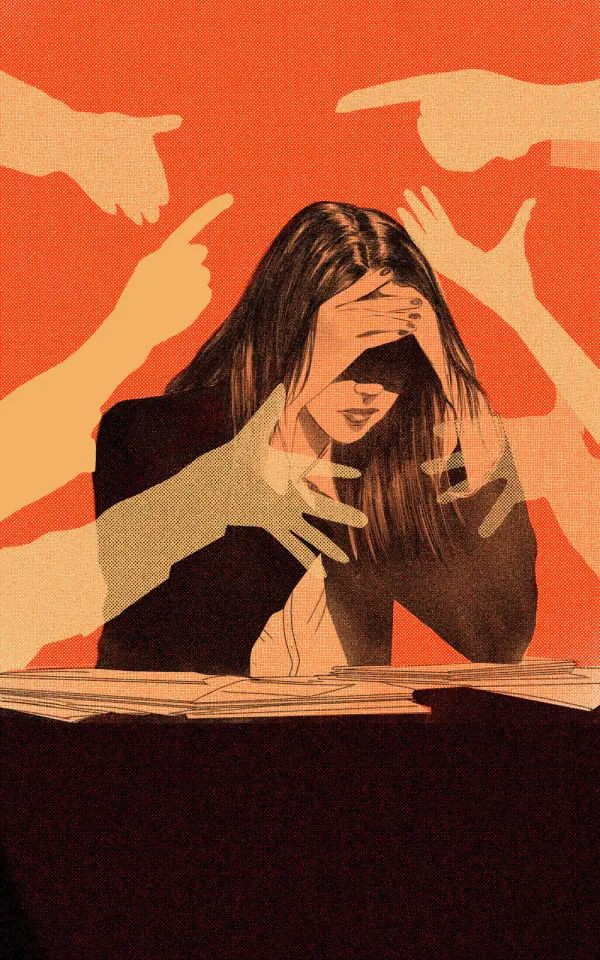
BACK TO YOU
Recognizing the red flags of a toxic workplace is essential for maintaining your mental and physical health, as well as your career satisfaction. If you’ve identified several of these signs in your workplace, it might be time to consider your options, such as discussing the issues with HR, seeking alternative employment, or exploring ways to improve the situation. Your well-being should always be a priority, and a toxic workplace can have a detrimental impact on your life, both inside and outside the office.
 Ethel & Noble
Leave a comment