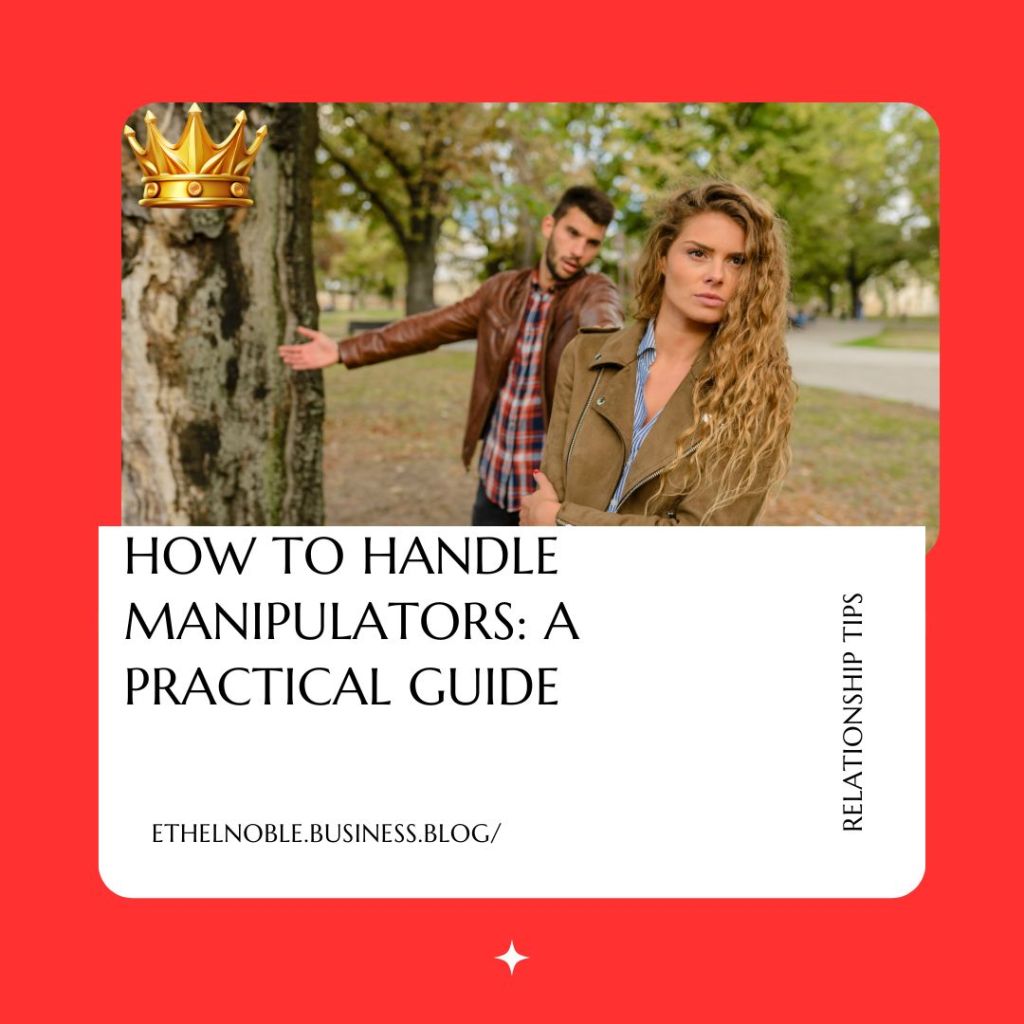
Manipulators are people who use deceptive tactics to control or influence others to achieve their goals, often at the expense of those around them. Whether in personal relationships, at work, or in social circles, dealing with manipulators can be challenging and emotionally draining. However, by recognizing the signs of manipulation and using strategies to protect yourself, you can regain control and maintain your emotional well-being. Here’s a practical guide on how to handle manipulators effectively.
1. Recognize the Signs of Manipulation
Manipulators are skilled at disguising their behavior, but there are common tactics they use, such as:
Gaslighting: Making you question your reality or feelings.
Guilt-tripping: Using guilt to get you to comply with their demands.
Playing the victim: Always positioning themselves as the one who’s been wronged to gain sympathy or leniency.
Flattery or charm: Overly complimenting or praising you to lower your defenses.
Emotional blackmail: Threatening negative consequences (like withdrawing affection) if you don’t do what they want.
Recognizing these tactics is the first step toward dealing with manipulation. Once you’re aware of how they operate, it’s easier to resist their influence.
2. Establish Boundaries
Boundaries are essential when dealing with manipulators. They thrive on pushing past your limits and taking control. Here’s how to set firm boundaries:
Know your limits: Be clear about what behavior is unacceptable to you.
Communicate assertively: When you detect manipulation, call it out calmly but firmly. For example, you might say, “I feel like you’re trying to make me feel guilty, and that’s not fair.”
Stick to your boundaries: Don’t allow a manipulator to guilt or pressure you into compromising your limits. Consistency is key.
3. Detach Emotionally
Manipulators often rely on emotional responses to achieve their goals. They’ll try to provoke feelings of guilt, fear, or obligation. To avoid falling into this trap:
Stay calm: Try not to react emotionally. A calm response gives them less power over you.
Practice emotional detachment: When you feel yourself getting emotionally invested in their games, take a step back. Focus on the facts and not how they’re trying to make you feel.
Use logical responses: Stick to logic and reason when discussing matters with manipulators. This can disarm their emotional tactics.
4. Limit Your Interaction
If possible, minimize the time and energy you spend with manipulators. The less exposure they have to you, the fewer opportunities they’ll have to influence or control you. If they are a co-worker or someone you can’t avoid, try to keep conversations strictly professional and limit personal disclosures.
5. Don’t Play Their Game
Manipulators often engage in mind games, creating confusion or conflict where there shouldn’t be any. If you get drawn into their tactics, you might end up feeling frustrated or helpless. Instead of engaging:
Stay on topic: Don’t get sidetracked by their attempts to steer the conversation in a different direction.
Refuse to argue: Manipulators love to pull people into arguments to wear them down. Politely disengage from unnecessary debates.
6. Trust Your Instincts
If something feels off in your interactions with someone, trust your gut. Often, our instincts pick up on manipulation before our conscious mind does. Don’t ignore those feelings of discomfort, confusion, or anxiety. They are warning signs that something isn’t right.
7. Seek Support
Dealing with a manipulator can be draining, especially if it’s a long-term situation like a close relationship or workplace issue. It’s important to talk to someone you trust—a friend, family member, or therapist—who can offer perspective and advice. Sometimes, just verbalizing what’s happening can help you see the situation more clearly.
8. Know When to Walk Away
In some cases, the best way to deal with a manipulator is to remove yourself from the situation entirely. If someone refuses to respect your boundaries and continually manipulates you, it may be time to end the relationship, leave the job, or otherwise distance yourself from them. Walking away is not a sign of weakness but an act of self-respect and preservation.

BACK TO YOU
Manipulators can be difficult to handle, but with awareness, clear boundaries, and emotional detachment, you can protect yourself from their influence. Remember, you are not responsible for managing their emotions or meeting their needs at your expense. By trusting your instincts and focusing on your well-being, you can maintain control and build healthier, more balanced relationships in your life.
 Ethel & Noble
Leave a comment